

Redding Landscape Services
Sign up now for summer service and enjoy a lush, beautiful yard all season long!
Get a Free QuoteLandscape Services Tailored for Redding, Connecticut
Expert Lawn Care for Redding’s Unique Environment
Redding’s picturesque neighborhoods, from the wooded lanes of West Redding to the open spaces near Topstone Park, present distinct landscaping challenges shaped by the local climate and geography. Homeowners contend with salt exposure from winter road treatments along Route 53, which can stress turf and ornamental plantings come spring. The area’s mature tree canopy, especially in communities bordering the Saugatuck Reservoir, creates shaded lots that require specialized grass varieties and careful moisture management. Summer droughts and the rolling, sometimes sloped terrain common in Redding can lead to soil erosion and patchy lawns if not properly addressed. Our services are designed with these local factors in mind, ensuring your property thrives year-round. For more information about the town’s environment and community resources, visit the official Redding website.
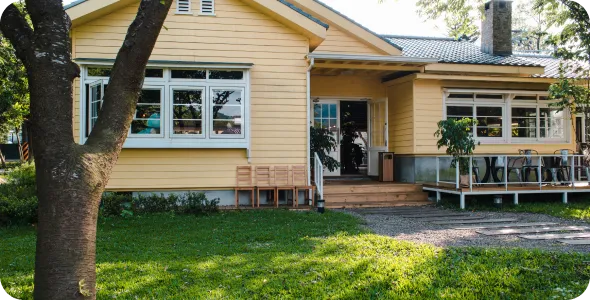
Our Redding Landscaping & Yard Care Services
Redding Gardening Services
Redding Yard Clean Up
Why Choose Redding Landscape Services

Redding Homeowners Trust Us
-
Comprehensive Lawn Maintenance
-
Competitive Pricing
-
Professional Team
-
Satisfaction Guarantee
-
Personalized Service
-
Reliable Scheduling
Contact Your Local Redding DPW or Parks Department for Green Waste Info
Proper green waste management is essential for maintaining healthy lawns and protecting Redding’s environment. The town offers seasonal curbside collection of grass clippings, leaves, and organic debris, typically from April through December. Residents must use biodegradable paper bags for yard waste, as plastic bags are prohibited. The Redding Transfer Station accepts bulk yard waste, including brush and branches, during posted hours; a resident permit is required for access. Free compost is often available to residents, supporting sustainable lawn care. Commercial landscapers must register with the town and pay applicable disposal fees. It is strictly prohibited to dispose of lawn waste in streets, storm drains, or regular trash, as this can lead to water quality violations and stormwater management issues. For detailed schedules and procedures, contact:
Redding Department of Public Works
100 Hill Road, Redding, CT 06896
Phone: (203) 938-2801
Official Website: Redding Department of Public Works
Lawn Care Regulations & Permits in Redding, CT
Lawn care in Redding is governed by a comprehensive framework of state and local regulations. Connecticut law restricts phosphorus fertilizer use except for new lawns or when a soil test indicates deficiency, and mandates buffer zones of at least 25 feet near water bodies. Nitrogen content in fertilizers is limited, and slow-release formulations are encouraged. Pesticide application by commercial operators requires licensing through the Connecticut Department of Energy and Environmental Protection (DEEP), with notification procedures for sensitive sites. Redding enforces outdoor watering restrictions during droughts, including odd/even address systems and time-of-day limits. Noise ordinances restrict equipment operation to 7:00 AM–8:00 PM on weekdays. Commercial lawn care providers must register with the town and maintain liability insurance. For permits and compliance guidance, contact:
Redding Building Department
100 Hill Road, Redding, CT 06896
Phone: (203) 938-2552
Official Website: Redding Building Department
State-level regulatory resources include:
What Neighborhoods Do We Serve in Redding, CT?
Redding’s diverse neighborhoods each present unique lawn care considerations. In West Redding, glacial till soils with moderate acidity require regular lime applications and careful drainage management. The Georgetown area, with its historic homes and denser development, often faces shade stress and compacted soils, necessitating core aeration and shade-tolerant grass species. Redding Ridge features larger lots with sandy loam soils, prone to drought stress and nutrient leaching, making slow-release fertilizers and deep watering essential. Topstone and Lonetown neighborhoods, near conservation areas, require strict buffer management and compliance with wetland regulations. Umpawaug and Poverty Hollow, with rural acreage and mature tree canopy, demand specialized mowing and leaf management. Each area’s service approach is tailored to its soil series, microclimate, and regulatory context, as identified through the USDA Web Soil Survey.
Partnering With Redding’s Conservation/Environmental Department for Sustainable Landscaping
Collaboration with Redding’s Conservation Commission ensures compliance with Connecticut’s environmental protection laws, especially for properties near wetlands and streams. Buffer zones must be maintained, and fertilizer and pesticide use is restricted in sensitive areas. Erosion control measures are required during lawn renovations to prevent sediment runoff. Sustainable landscaping practices, such as integrating native plants and installing rain gardens, support local biodiversity and stormwater management. Organic lawn care methods are encouraged to reduce chemical inputs. For guidance on environmental compliance and sustainable practices, contact:
Redding Conservation Commission
100 Hill Road, Redding, CT 06896
Phone: (203) 938-3580
Official Website: Redding Conservation Commission
Top Redding Lawn Problems (and How We Solve Them)
Redding’s climate and soils present several common lawn challenges:
- Snow mold after prolonged winter snow cover
- Soil compaction from clay-rich soils and freeze-thaw cycles
- Salt damage along roads from winter de-icing
- Grub infestations (Japanese beetles, European chafers)
- Dollar spot and brown patch fungus during humid summers
- Acidic soils requiring lime
- Shade stress from mature trees
Science-based solutions include soil testing through the UConn Extension Soil Testing Laboratory, targeted fertilization, core aeration, overseeding with disease-resistant cultivars, and integrated pest management (IPM) to minimize pesticide use. Proper mowing height and irrigation practices are also critical for lawn health.
What Makes Lawns in Redding Different From the Rest of Connecticut?
Redding is located in USDA Hardiness Zone 6b, with a growing season from mid-April to late October. The area’s glacial till soils are moderately acidic and well-drained, but can be compacted in developed neighborhoods. Microclimates vary due to elevation and tree cover, affecting frost dates and growing conditions. Redding’s rural character means larger lots and more mature landscapes compared to urbanized parts of Connecticut. Pest pressure from grubs and fungal diseases is higher due to humidity and tree canopy. Historical land use, including agriculture and conservation, has shaped soil fertility and drainage patterns. These factors require tailored lawn care strategies distinct from other regions of the state.
Supporting Local Events in Redding With Lawn Expertise
Professional lawn care supports Redding’s vibrant community life by preparing public spaces for town events, athletic fields for youth sports, and parks for seasonal festivals. The Parks & Recreation Department coordinates maintenance and beautification projects, often with volunteer support. After severe weather, lawn care teams assist with storm cleanup and debris removal, working alongside emergency management. Educational partnerships with local schools and organizations promote sustainable landscaping and environmental stewardship. For event coordination and public space maintenance, contact:
Redding Parks & Recreation
37 Lonetown Road, Redding, CT 06896
Phone: (203) 938-2551
Official Website: Redding Parks & Recreation
Eco-Friendly Landscaping Backed by Redding’s Green Initiatives
Redding aligns its lawn care practices with municipal sustainability goals, including greenhouse gas reduction and biodiversity support. The town encourages the use of electric and battery-powered equipment to reduce emissions and noise. Water conservation is promoted through smart irrigation technology and rain sensors, with rebates available from local utilities. Organic lawn care methods, such as compost application and biological pest control, are prioritized to protect pollinators and soil health. Grasscycling—leaving clippings on the lawn—reduces waste and provides natural fertilization. These initiatives are coordinated with state and local environmental programs, including those led by the Connecticut Department of Energy and Environmental Protection.
Proudly Serving These Streets and Areas in Redding
Lawn care services in Redding cover all major neighborhoods and thoroughfares, including:
- Downtown Redding and the Town Green
- West Redding (including Umpawaug Road, Station Road, and areas near the West Redding Metro-North station)
- Georgetown (Route 107 corridor, Main Street, and neighborhoods near Gilbert & Bennett)
- Redding Ridge (Redding Road, Cross Highway, and surrounding subdivisions)
- Topstone (Topstone Road, areas near Topstone Park)
- Lonetown (Lonetown Road, adjacent to Redding Elementary and the Community Center)
- Poverty Hollow (Poverty Hollow Road, rural acreages, and conservation lands)
- Neighborhoods near Putnam Memorial State Park
- Communities along Black Rock Turnpike and Newtown Turnpike
- Historic districts and areas with conservation restrictions
- Rural and outlying properties throughout the town
Special considerations apply in areas with wetlands, seasonal access limitations, or homeowner association requirements. For water quality and stormwater compliance, contact:
Redding Water Pollution Control Commission
100 Hill Road, Redding, CT 06896
Phone: (203) 938-2002
Official Website: Redding Water Pollution Control Commission
For additional resources, consult: